Plenty of people who played Black Desert Online years ago still call it “Daum Games Black Desert,” and newer players keep hitting the same dead end: they go looking for Daum and discover the company hasn’t run the game in years. The publisher changed twice. Sorting out who actually owns it now and why that matters means going back to a small Korean studio and a single stubborn decision about building their own engine.
History & Legacy
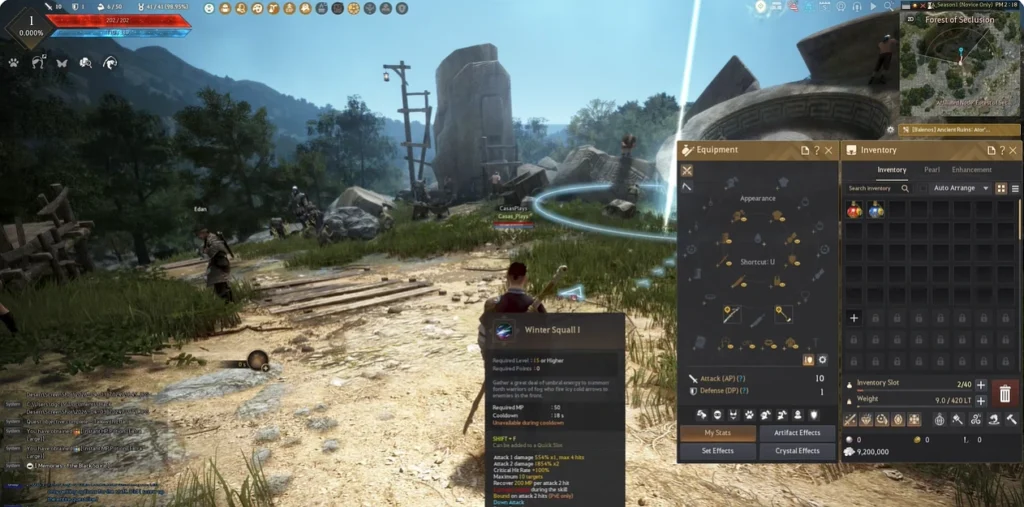
Pearl Abyss was founded in September 2010 by Kim Daeil, a developer who’d worked his way through Korean outfits like Hangame and NHN. Instead of licensing an existing game engine, his team built one from the ground up, purpose-made for a seamless open world and the kind of massive castle sieges that would later become the game’s signature. That choice is why Black Desert looked years ahead of its competition on combat and character detail when it arrived.
The game went live in South Korea in December 2014 (full Korean launch following in 2015), free-to-play, published by Daum one of the country’s biggest internet companies. The same Daum then handled the Western release, which is the part most write-ups get muddled: Korea and the West came from one publisher, not two. The Western PC version launched on March 3, 2016, with one major difference for overseas players buy-to-play instead of free. It sold 400,000 copies in its first Western month and crossed 3.4 million registered NA/EU players inside a year.
| Year | Publisher | Milestone |
|---|---|---|
| 2014 | Daum (Korea) | Korean launch, free-to-play |
| 2016 | Daum Games → Kakao Games | Western PC launch, buy-to-play |
| 2019 | Kakao Games | Console and global mobile |
| 2021 | Pearl Abyss | Takes over Western PC; accounts migrate |
| 2022 | Pearl Abyss | Self-published worldwide |
The Kakao Name Change
A lot of confusion comes from one rebrand. Daum merged into the Korean tech conglomerate Kakao, and its games arm became Kakao Games so the publisher you remember as Daum and the one you remember as Kakao are the same chain wearing two names. This stretch gave the Western game its buy-to-play model, its cosmetic cash shop, and its first big expansions, Mediah and Valencia.
Pearl Abyss Takes It In-House
By the late 2010s Pearl Abyss had outgrown the arrangement. It went public on Korea’s KOSDAQ in 2017, then spent roughly $425 million buying CCP Games the EVE Online studio in 2018. A developer that size funneling its flagship through a third party didn’t make much sense anymore, so it took back Western PC publishing in February 2021, timed to the game’s fifth Western anniversary, and finished the global handover in June 2022. Those account migrations longtime players grumble about? That’s this everyone had to move their characters, items, and Pearls onto Pearl Abyss’s own service. The payoff was direct control: synchronized global updates, roadmaps straight from the developers, and balance decisions that no longer had to honor an outside publisher’s old promises.
Key Features
Publisher drama aside, the reason people stuck around for a decade is the game itself, which goes harder on action and systems than most MMORPGs bother to.
- Action combat – no tab-targeting. You aim, chain combos, and dodge in real time. It plays closer to a console brawler than a traditional MMO, and mastering animation cancels is the difference between average and elite on most classes.
- Character creator – still one of the deepest in the genre, with facial and body sculpting fine enough that people build characters for hours before they ever enter the world.
- Life skills – an entire second game with no combat in it: gathering, fishing, cooking, alchemy, hunting, trading, and training. For some players this is Black Desert.
- PvP, node and conquest wars – open-world PvP plus huge guild-run battles over territory and castles.
- The node empire – spend Energy and Contribution Points to link nodes across the map and build passive income while you’re offline.
These aren’t separate hobbies bolted together. Life skills feed your silver, silver funds your gear, and gear decides how you survive in PvP so even the quiet cooking-and-fishing crowd is plugged into the competitive economy whether they like it or not.
Player & Beginner Guide
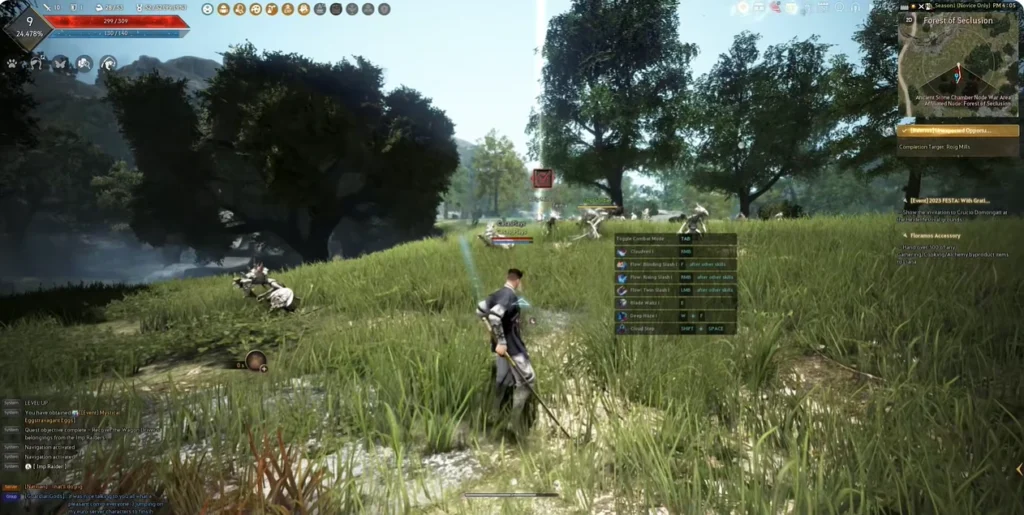
Black Desert is deep enough to drown a new player, but the early game really only asks for four things. Get these right and skip everything else for now.
- Roll a Season character. Season servers hand you boosted EXP, better drop rates, and a guided path to a free endgame gear set. There’s no reason for a beginner to start anywhere else.
- Follow the main questline. It’s your best early source of Contribution Points, inventory slots, and starter gear and the Black Spirit walks you through it.
- Mind your Energy and Contribution Points. Energy powers gathering and NPC interactions; CP rents gear and connects your resource nodes. Both quietly run your progression.
- Use the Black Spirit constantly. That companion menu is your quest-giver, story guide, and gear-enhancement hub rolled into one interface.
Two things new players consistently get wrong:
- Don’t sink silver into fancy gear early. A Season character graduates into a free boss gear set, so most of what you’d buy first just gets replaced.
- Check your node connections often. Worker income is what bankrolls the late game, and almost everyone ignores it for far too long.
The grind reputation Black Desert earned back in the Daum and Kakao days is mostly outdated. The modern Season system is a far gentler on-ramp than the one veterans suffered through start there, lean on the questline, and treat your first week as learning the systems rather than racing anybody.